Fota Wildlife Park Announces Birth of Only Second-Ever Indian Rhinoceros Born in Ireland
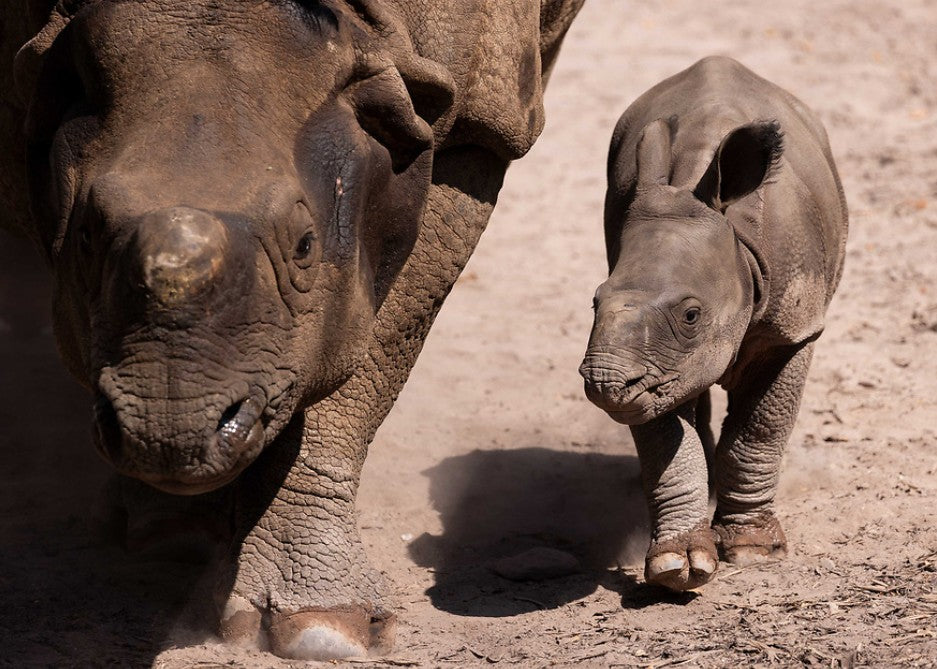
Fota Wildlife Park is delighted to announce the birth of a male Indian rhino calf, born on the 13th of July to mother Maya and father Jamil; he is only the second Indian rhino ever born in Ireland and the second in the Wildlife Park's history.

The Indian rhinoceros (Rhinoceros unicornis), also known as the greater one-horned rhino, is classified as Vulnerable by the International Union for Conservation of Nature (IUCN), with an estimated 4,000 individuals remaining in the wild.

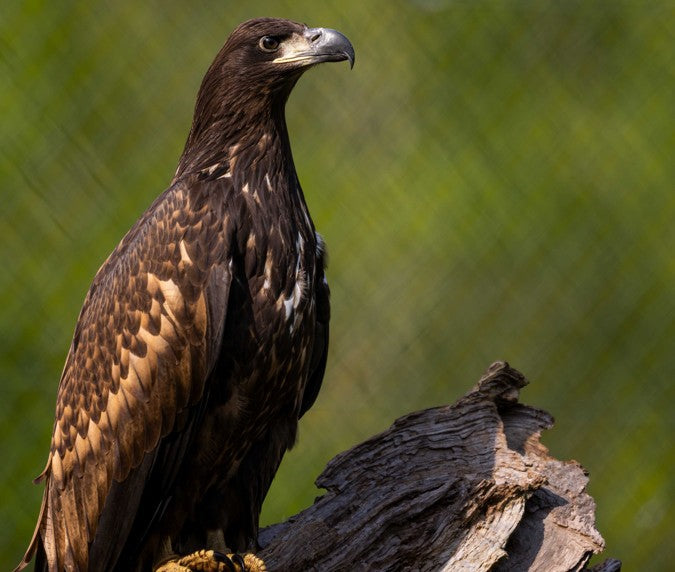
This announcement follows a remarkable period of conservation breeding successes at Fota Wildlife Park including the births of critically endangered Sumatran tiger cubs and a Nubian giraffe, endangered Asian lion cubs and a François' langur monkey and near threatened European bison calves, as well as the first white-tailed sea eagle fledgling in a decade, a bird species that was once extinct in the wild in Ireland.
Maya was born in Rotterdam Zoo and is 13 years old. She came to Fota Wildlife Park in early 2020, as part of the ex-situ European Endangered Species Breeding Programme (EEP) from the Botanical Garden Branfér, Nantes in France. Jamil, who is also13 years old, was born in ZSL Whipsnade Zoo in the UK and came to Fota Wildlife Park in June 2015. Both rhinos weigh approximately two tonnes each.

Liam McConville, Senior Ranger, said: “We were all absolutely delighted when Maya gave birth on the 13th of July to a very healthy calf after the gestation period of over 16 months.
This is Maya and Jamil’s second calf, and because Indian rhino births are so rare in zoological organisations, both in Europe and around the world, it’s a one we’re incredibly proud to celebrate. We’re also the only zoological park in Ireland where visitors can see this remarkable species, making this birth even more special.
The greater one-horned, or Indian, rhinoceros was once pushed to the brink of extinction due to hunting and the illegal poaching of its horn. Although the species remains vulnerable, every birth plays an important role in raising awareness of the need to protect these incredible animals.
The young male calf is doing exceptionally well. Maya has been a fantastic mother and is incredibly protective of him. We’ve been keeping a close eye on both of them, and she rarely lets him stray too far while he explores the habitat. During the recent warm weather, we even saw her gently guide him back into the shade whenever she felt it was getting too hot.
Indian rhinos are well known for wallowing in mud and spending time in water to keep cool, and it’s already clear this little calf has inherited that instinct. He absolutely loves rolling around in the muddy patches of the habitat. At the moment, he’s still getting most of his nutrition from nursing, but he’s already beginning to imitate his mum by nibbling on leaves and branches as he develops.”
Native to the grasslands and floodplains of northern India and southern Nepal, the species has made a recovery from the brink of extinction through intensive conservation management by the Indian and Nepalese authorities, although habitat loss and poaching for the illegal rhino horn trade continue to threaten its future.
The Indian rhinoceros is the largest of Asia's three rhino species. There are five surviving rhinoceros species remaining, with two species native to Africa and three to Asia.
Visitors to Fota Wildlife Park are now being invited to help name the young male calf. Entries can be submitted at a collection point in the Serengeti Shop until the 13th of September, and one lucky winner will receive an annual pass to Fota Wildlife Park. The Park is encouraging submissions that reflect the species' native range and cultural heritage.
Further updates on the calf's development will be shared on Fota Wildlife Park's social media channels over the coming weeks.
Fota Wildlife Park is open daily from 9.30 am. See www.fotawildlife.ie for more details.
(Image credits: Michael O'Sullivan/OSM PHOTO)